
Introduction
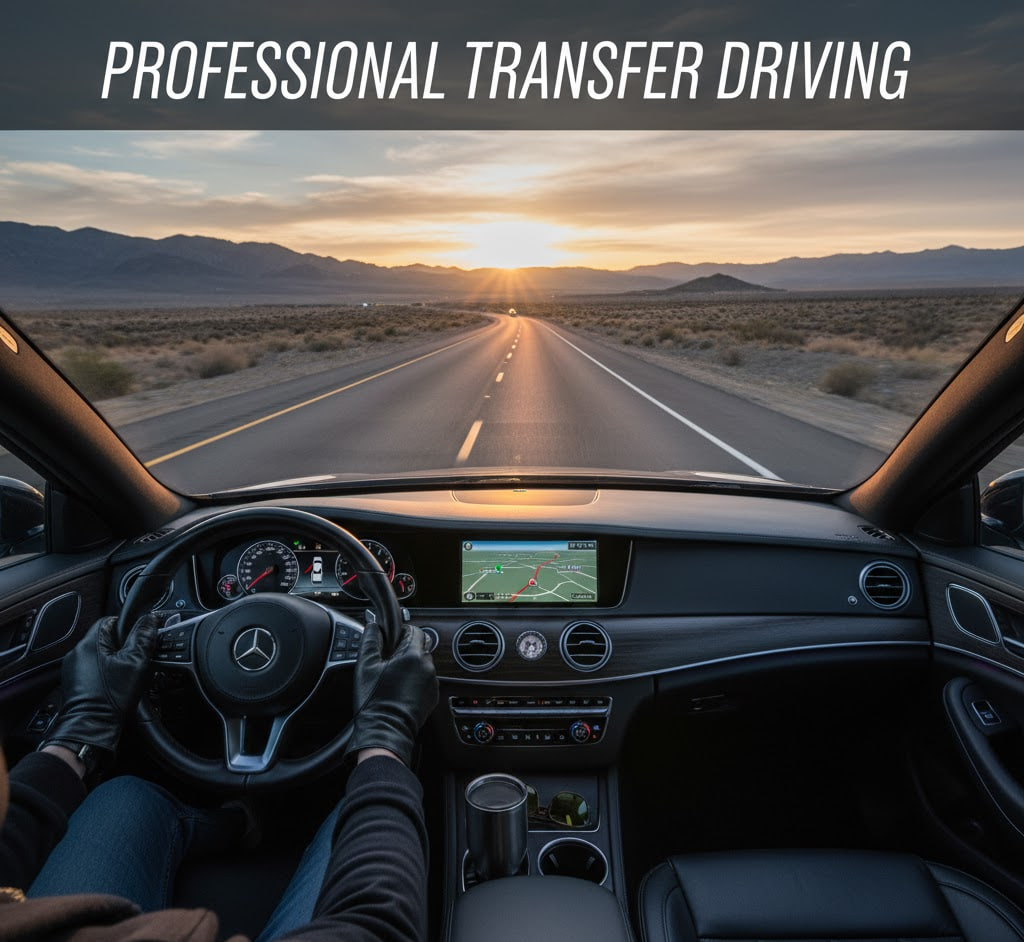
Driving during a transfer—whether it’s an airport drop-off, a city-to-city relocation, or a long-distance travel route—requires more than just keeping your hands on the wheel. It demands focus, preparation, patience, and the right driving mindset. Unlike everyday commutes, transfers often involve longer distances, unfamiliar routes, varied weather conditions, and sometimes time pressure.
In this guide, we’ll walk you through the key behaviors, safety practices, and professional driving tips that can make your transfer smooth, efficient, and stress-free. Whether you’re a private driver, a travel chauffeur, or someone relocating with your vehicle, these principles will help you drive confidently and responsibly.
Plan Ahead Before You Hit the Road
A successful transfer starts with proper planning. Before driving off, make sure you’ve handled all the important details.
a. Check Your Route
Use reliable GPS navigation apps such as Google Maps or Waze. Check for road closures, construction zones, or traffic congestion before departure. Having an alternate route in mind helps you adapt easily if unexpected detours occur.
b. Schedule Your Departure Wisely
Avoid rush hours whenever possible. For airport or hotel transfers, calculate backward from the expected arrival time and add an extra 30–60 minutes as a buffer. Unexpected traffic or weather delays can happen anytime.
c. Prepare Travel Essentials
Keep your driver’s license, registration papers, insurance, and vehicle documents easily accessible. Carry water, snacks, a first-aid kit, and emergency tools like jumper cables and a flashlight.
Inspect Your Vehicle Thoroughly
Before any transfer, vehicle condition is key to safety. A short check can prevent breakdowns during crucial moments.
- Check tire pressure and tread depth to ensure stability on the road.
- Inspect brakes and lights. Make sure brake lights, headlights, and turn signals are all working properly.
- Top up fluids: engine oil, brake fluid, and coolant levels should be at their recommended marks.
- Clean your windshield for full visibility, and check that wipers are working properly.
If it’s a long transfer or you’re a professional driver, consider scheduling a quick mechanic inspection every few weeks to ensure your car is in top condition.
Maintain a Calm and Professional Attitude
Driving during transfers often involves pressure and responsibility, especially if passengers or clients are involved. A professional attitude on the road not only makes the trip smoother but also keeps everyone safe.
- Stay patient. Even if you’re in a hurry, never let stress influence your driving. Aggressive driving increases accident risk.
- Keep your tone polite when communicating with passengers or other drivers.
- Stay focused. Avoid distractions like checking your phone, eating, or chatting excessively while driving.
- Use defensive driving techniques: Always anticipate potential hazards and be ready to react calmly.
A professional driver understands that courtesy and patience go hand in hand with skill.
Master Time Management
Transfers often come with strict schedules—airport pickups, event arrivals, or business appointments. The best drivers know that time management begins long before starting the engine.
- Leave early to minimize stress.
- Factor in loading/unloading time for luggage or passengers.
- Use real-time traffic updates to adjust your ETA (Estimated Time of Arrival).
- If delays are unavoidable, communicate early with your passengers or destination contact to maintain professionalism.
Remember: Punctuality reflects reliability. Never risk speeding just to make up for lost time.
Adjust Your Driving to Conditions
Every transfer is unique, and conditions can change fast—especially in long or multi-stop trips.
a. Weather
- Rain: Reduce speed and increase following distance. Use headlights and wipers properly.
- Fog: Turn on low beams and keep windows slightly open to reduce fogging inside.
- Heat: Ensure your air conditioning works well; fatigue builds faster in hot environments.
b. Terrain
If your transfer includes hills, highways, or rural roads, adjust your speed and gear accordingly. Uphill climbs require steady acceleration, while downhill slopes need careful braking to avoid overheating.
c. Night Driving
Ensure your headlights are aligned correctly and take frequent breaks to prevent fatigue.
Prioritize Comfort and Safety for Everyone
Comfort matters as much as safety, especially during transfers with passengers.
- Keep the cabin clean and pleasant; first impressions count.
- Offer temperature control (AC or windows) to passengers.
- Avoid harsh acceleration or sudden braking, which can make riders uncomfortable.
- Provide a smooth and quiet ride—use gentle steering, maintain consistent speed, and handle curves with care.
Even if you’re driving alone, personal comfort enhances focus. Adjust your seat, mirrors, and steering position before driving off.
Stay Alert and Avoid Fatigue
Driving long hours during transfers can be mentally draining. Fatigue is one of the biggest causes of road accidents, especially in long-distance driving.
Tips to Stay Alert:
- Take short breaks every 2 hours or 100 kilometers.
- Stretch your legs and hydrate.
- Avoid heavy meals before driving.
- If you feel drowsy, pull over safely and rest. Never force yourself to continue driving tired.
Listening to soft music or engaging podcasts can help keep your mind active without distraction.
Communicate Effectively
Communication is crucial in transfer driving, particularly for professional or commercial drivers.
- Confirm details before departure—pickup location, destination, number of passengers, and luggage.
- Update your client or contact in case of delays or route changes.
- For team transfers, use two-way radios or hands-free devices for coordination.
- Be courteous and informative—good communication builds trust and professionalism.
Follow Traffic Rules and Local Regulations
Always respect traffic laws, speed limits, and road signage—especially when transferring across regions or cities.
In some countries or provinces, speed limits, toll rules, and right-of-way laws differ slightly. Take a few minutes to familiarize yourself with these before starting your trip.
Also, keep an eye on parking zones or drop-off points to avoid fines and delays. Following the law not only ensures safety but also maintains your reputation as a disciplined driver.
Prepare for Emergencies
No matter how well you plan, emergencies can happen. Being prepared is part of being a responsible driver.
Keep these in your car at all times:
- First-aid kit
- Reflective warning triangle
- Spare tire and tools
- Flashlight and batteries
- Power bank or portable charger
- Contact numbers for roadside assistance
Also, know your nearest service stations and hospital routes along the transfer path. Quick action can make a big difference during unexpected situations.
Reflect Professionalism and Courtesy
Whether you’re a personal driver, ride service operator, or family member behind the wheel, professional conduct defines great driving behavior.
- Dress neatly if you’re driving for clients.
- Greet passengers politely and offer assistance with luggage.
- Refrain from smoking or eating in the car during transfers.
- Keep background music moderate and appropriate.
Professionalism builds trust and can even turn first-time passengers into loyal clients.
End the Transfer Smoothly
Arriving at your destination doesn’t mean your job is over. The way you end the transfer matters just as much as how you started it.
- Help passengers unload their belongings.
- Double-check that nothing is left behind.
- Thank passengers politely and wish them a good day or safe journey.
- If it’s a business or hotel drop-off, confirm completion with dispatch or client.
- Park your vehicle safely before turning off the engine.
Ending gracefully leaves a positive impression and reinforces your reputation as a responsible driver.
Conclusion
Driving during a transfer isn’t just about getting from point A to B—it’s about ensuring safety, comfort, and professionalism every mile of the way. From pre-trip planning and vehicle inspection to time management and courteous behavior, each element contributes to a smoother and safer journey.
Whether you’re handling an airport shuttle, moving between cities, or helping someone relocate, always remember: safe and smart driving is the best travel service you can offer.
So, next time you’re behind the wheel for a transfer, keep calm, stay focused, and drive with purpose. Because a well-driven transfer isn’t just a trip—it’s a reflection of your discipline, skill, and care on the road.


Leave a Comment