
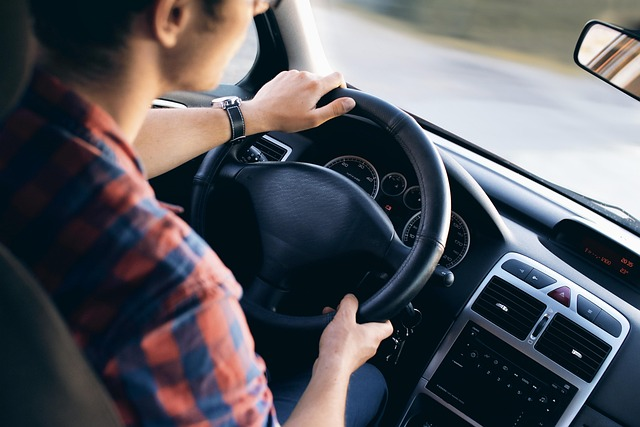
Discover why people behave differently while driving. Learn the psychology behind road rage, control, and mindful driving for safer roads.
Have you ever noticed how calm people can suddenly turn impatient or aggressive once they’re behind the wheel? It’s not just you — there’s actual psychology behind driving behavior. The car, the sense of control, and the stress of the road all affect how we act. Let’s explore why we transform once the engine starts.
The “Car as a Shield” Effect
Inside a car, we’re protected — both physically and emotionally. This creates a sense of anonymity, which lowers empathy and increases assertiveness.
Others can’t see us clearly. We might honk, shout, or cut off other vehicles. We would never behave like this face-to-face. The car becomes a psychological barrier, changing how we interact with others on the road.
The Illusion of Control
Driving gives us the feeling that we’re in charge — guiding a machine through traffic and chaos. But when things go wrong (like getting stuck in traffic), that sense of control shatters, leading to frustration and aggression.
Psychologists call this the illusion of control: believing we can manage everything, only to feel stressed when reality says otherwise.
Road Rage and Emotional Triggers
Road rage is a common emotional reaction triggered by stress, impatience, or feeling disrespected by another driver. Common triggers include:
- Being cut off or overtaken
- Running late for an appointment
- Feeling powerless in traffic
Our brains misinterpret these frustrations as threats, activating the fight-or-flight response. The result? Shouting, honking, or tailgating — reactions fueled more by emotion than logic.
The Anonymity Factor: You vs. “That Car”
On the road, we don’t see people — we see cars. This depersonalization makes it easy to forget there’s a human being behind every steering wheel.
Instead of thinking, “Maybe that driver is lost,” we often think, “That idiot doesn’t know how to drive.” This mindset fuels impatience and conflict. Remembering there’s a person behind every car helps restore empathy.
Power, Status, and Personality Behind the Wheel
Believe it or not, your car and driving style can reflect aspects of your personality.
- Sports car or SUV drivers often display confidence or dominance.
- Compact or eco-car drivers value calmness and practicality.
Research even suggests that drivers of luxury vehicles are more prone to aggressive driving. They use their cars as extensions of their identity and power.
Cognitive Load: The Mental Work of Driving
Driving isn’t automatic — it demands constant mental processing. We’re multitasking: watching traffic, checking mirrors, managing speed, and reading signs.
When our cognitive load increases, our patience and decision-making decline. This explains why even calm drivers can snap after a long day — mental fatigue takes its toll.
How to Drive More Mindfully
Now that you understand the psychology, you can train your mind for mindful driving:
✅ Take deep breaths before reacting.
✅ Don’t personalize others’ mistakes — they’re not attacking you.
✅ Give yourself time to avoid rushing.
✅ Create a calm car environment — soothing music, pleasant scents, and comfort matter.
✅ Practice empathy — remind yourself: every driver has their own challenges.
Mindful driving keeps stress low, reactions calm, and roads safer for everyone.
🚘 Final Thoughts
Driving isn’t just mechanical — it’s deeply psychological. Our behavior behind the wheel reveals how we handle stress, power, and control. By understanding these mental patterns, we can transform driving from a stressful task into a more mindful, peaceful experience.
Next time you hit the road, remember: the journey is about self-control. It’s also about getting from point A to B.


Leave a Comment